Last updated: May 31, 2026
Quick Answer: ElevenLabs is an AI voice platform that generates realistic synthetic speech, clones voices from short audio samples, and supports 32+ languages. It reached an estimated $500 million in annual recurring revenue by early 2026 and an $11 billion valuation after its Series D round, making it one of the fastest-growing applied AI companies in the world [8][9]. Whether you need voiceovers, dubbing, audiobooks, or conversational AI agents, ElevenLabs is the tool most creators and enterprises reach for first.
Key Takeaways
- ElevenLabs offers text-to-speech, voice cloning, multilingual dubbing, and conversational AI agent tools from a single platform [10].
- The free tier gives you about 10,000 characters per month; paid plans start at $5/month and scale to custom enterprise pricing [10].
- Voice cloning requires as little as a one-minute audio sample, though longer samples produce better results.
- The platform supports 32+ languages with natural-sounding output, including tonal languages like Mandarin and Japanese [1].
- ElevenLabs raised $500 million in its February 2026 Series D, led by Sequoia Capital, at an $11 billion valuation [9][8].
- New features in 2026 include ElevenMusic (AI music generation), government-grade on-premise deployment, and advanced conversational agent APIs [1][3].
- Ethical safeguards include voice verification, content moderation, and restrictions on cloning voices without consent [5].
- The API integrates with most development stacks and requires no specialized hardware on the user’s end.
What Exactly Does ElevenLabs AI Do with Voice Technology?
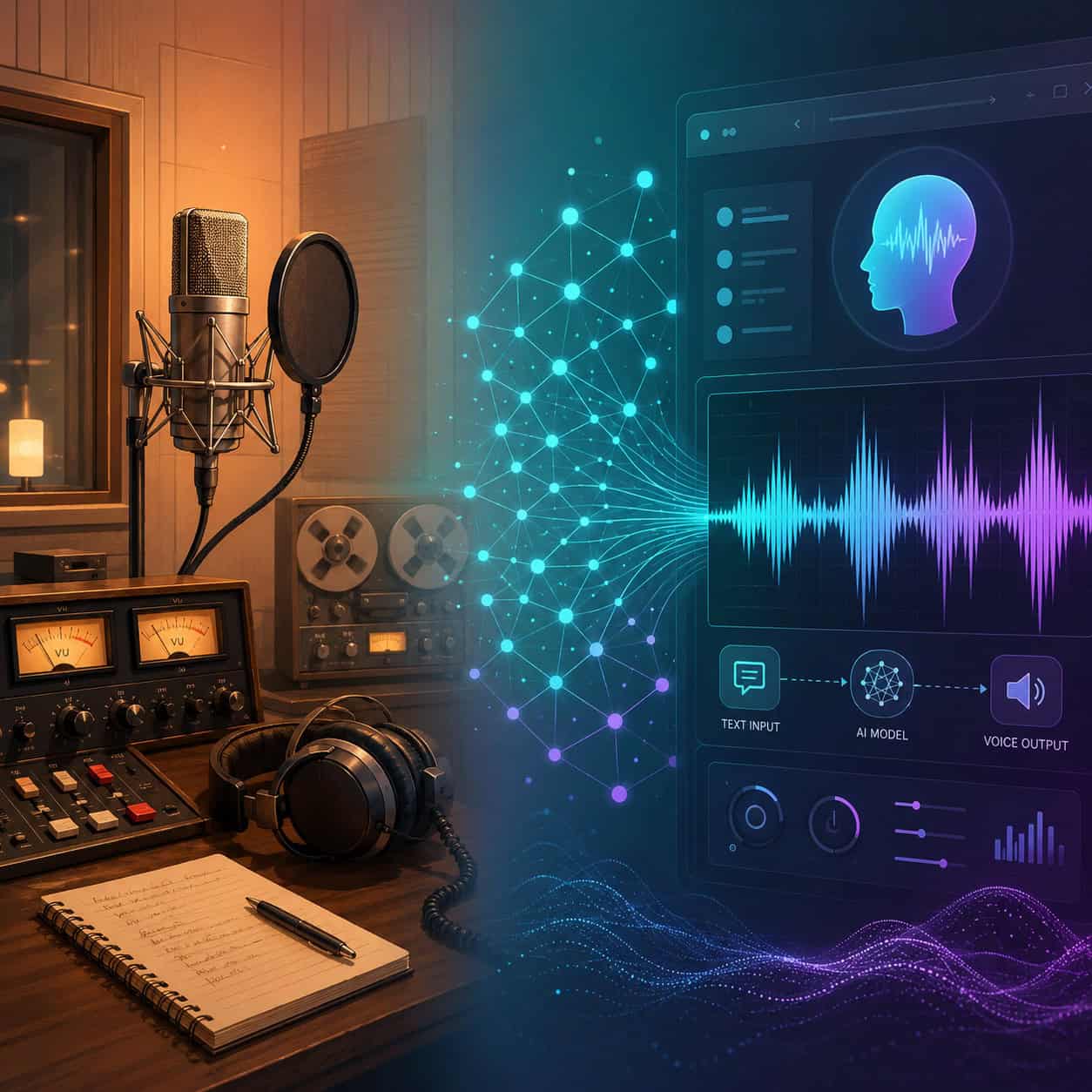
ElevenLabs converts text into human-like speech, clones existing voices, and powers real-time conversational AI agents. It’s an end-to-end voice AI platform, not just a text-to-speech tool.
Here’s what the platform covers in 2026:
- Text-to-Speech (TTS): Type or paste text, pick a voice, and get audio that sounds like a real person read it. You control pacing, emotion, and emphasis.
- Voice Cloning: Upload a short audio clip of any voice (with consent), and the system creates a synthetic replica you can use for new content.
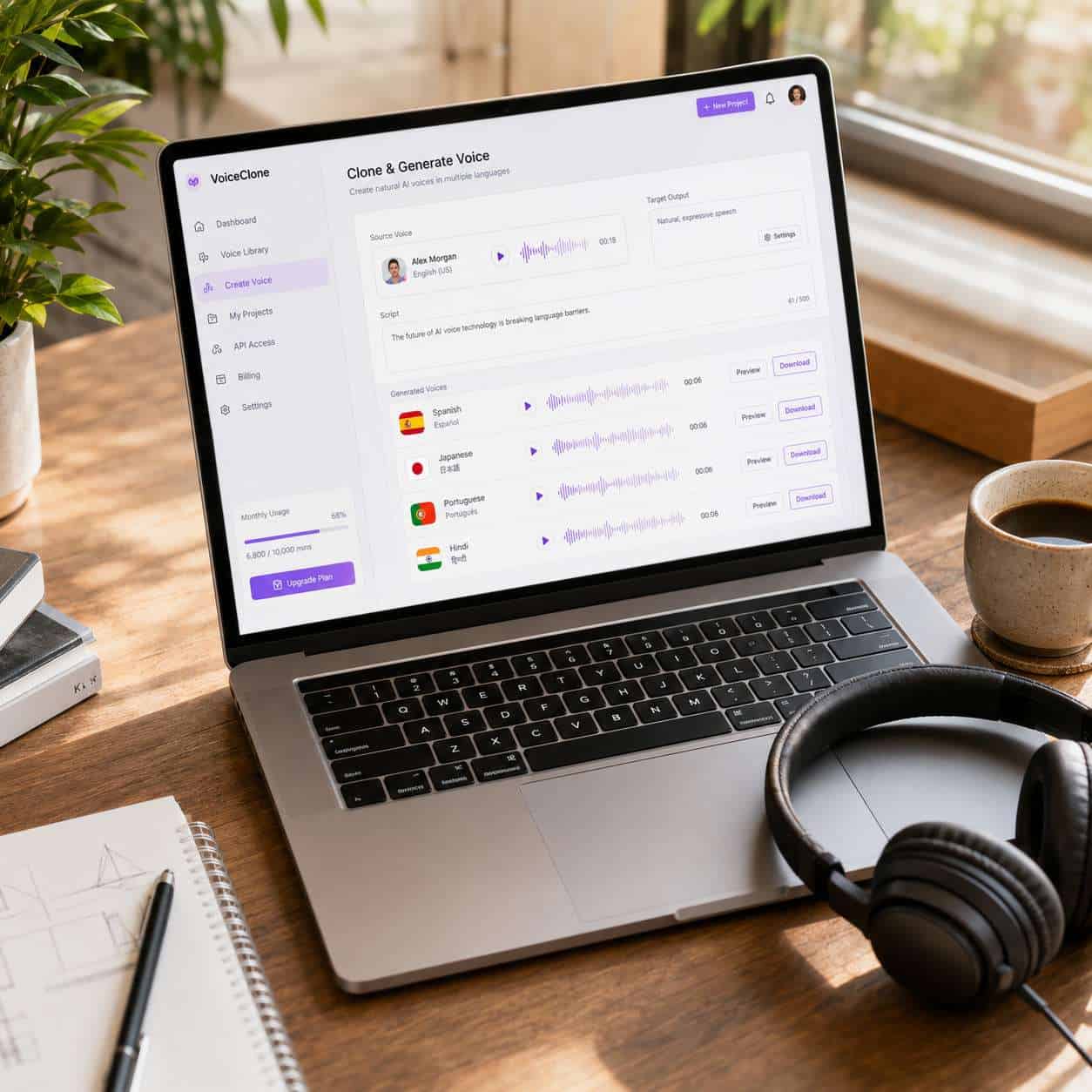
- Multilingual Dubbing: Automatically translate and dub audio or video into dozens of languages while preserving the speaker’s vocal characteristics [1].
- Conversational AI Agents: Build voice-based chatbots and phone agents that respond in real time, with support for tool-calling and knowledge-base integration [3].
- ElevenMusic: Launched in late April 2026, this feature generates instrumental and vocal music tracks directly inside the platform [1][10].
- Projects and Audiobooks: Long-form content tools let you produce full audiobooks with consistent voice quality across chapters.
The platform serves everyone from solo YouTubers to Fortune 500 companies. If you’re building any kind of digital product that involves audio, ElevenLabs likely has a relevant feature. For teams already using AI in their creative workflows, this fits alongside tools like AI-powered content generation and AI graphic design platforms.
How Much Does ElevenLabs AI Voice Generation Cost?
ElevenLabs uses a tiered subscription model. The free plan gives you roughly 10,000 characters per month (about 5 minutes of audio). Paid plans start at $5/month for the Starter tier and go up from there [10].
| Plan | Monthly Price (approx.) | Characters/Month | Voice Cloning | Commercial Use |
|---|---|---|---|---|
| Free | $0 | ~10,000 | No (instant only) | No |
| Starter | $5 | ~30,000 | Instant cloning | Yes |
| Creator | $22 | ~100,000 | Professional cloning | Yes |
| Pro | $99 | ~500,000 | Professional cloning | Yes |
| Scale | $330 | ~2,000,000 | Professional cloning | Yes |
| Enterprise | Custom | Custom | Full suite | Yes |
Note: Pricing and character limits are approximate and may change. Check ElevenLabs’ official pricing page for current details.
Decision rule: Choose the free plan to test quality. Move to Starter or Creator if you’re producing regular YouTube or podcast content. Pro and Scale are for agencies, studios, or anyone generating hours of audio weekly. Enterprise plans include on-premise deployment and compliance features for regulated industries [1].
ElevenLabs vs. Other AI Voice Synthesis Tools Like Descript or Murf
ElevenLabs leads in voice realism and multilingual support, but it’s not the only option. Descript and Murf serve overlapping but different audiences.
| Feature | ElevenLabs | Descript | Murf |
|---|---|---|---|
| Voice quality (naturalness) | Excellent | Good | Good |
| Voice cloning | Yes (instant + professional) | Yes (Overdub) | Limited |
| Languages supported | 32+ | ~25 | 20+ |
| Video editing built in | No | Yes | No |
| Conversational AI agents | Yes | No | No |
| Music generation | Yes (ElevenMusic) | No | No |
| API access | Full REST + WebSocket | Limited | Yes |
| Free tier | Yes | Yes | Yes |
Choose ElevenLabs if your primary need is high-fidelity voice output, multilingual dubbing, or building voice agents. Choose Descript if you need an all-in-one audio/video editor with decent voice features baked in. Choose Murf if you want a simpler interface focused purely on voiceovers with less technical overhead.
A common mistake is picking a tool based only on price. The cheapest option often costs more in the long run if you spend hours tweaking output that doesn’t sound natural enough.
Can I Use ElevenLabs for YouTube Voiceovers or Podcasts?
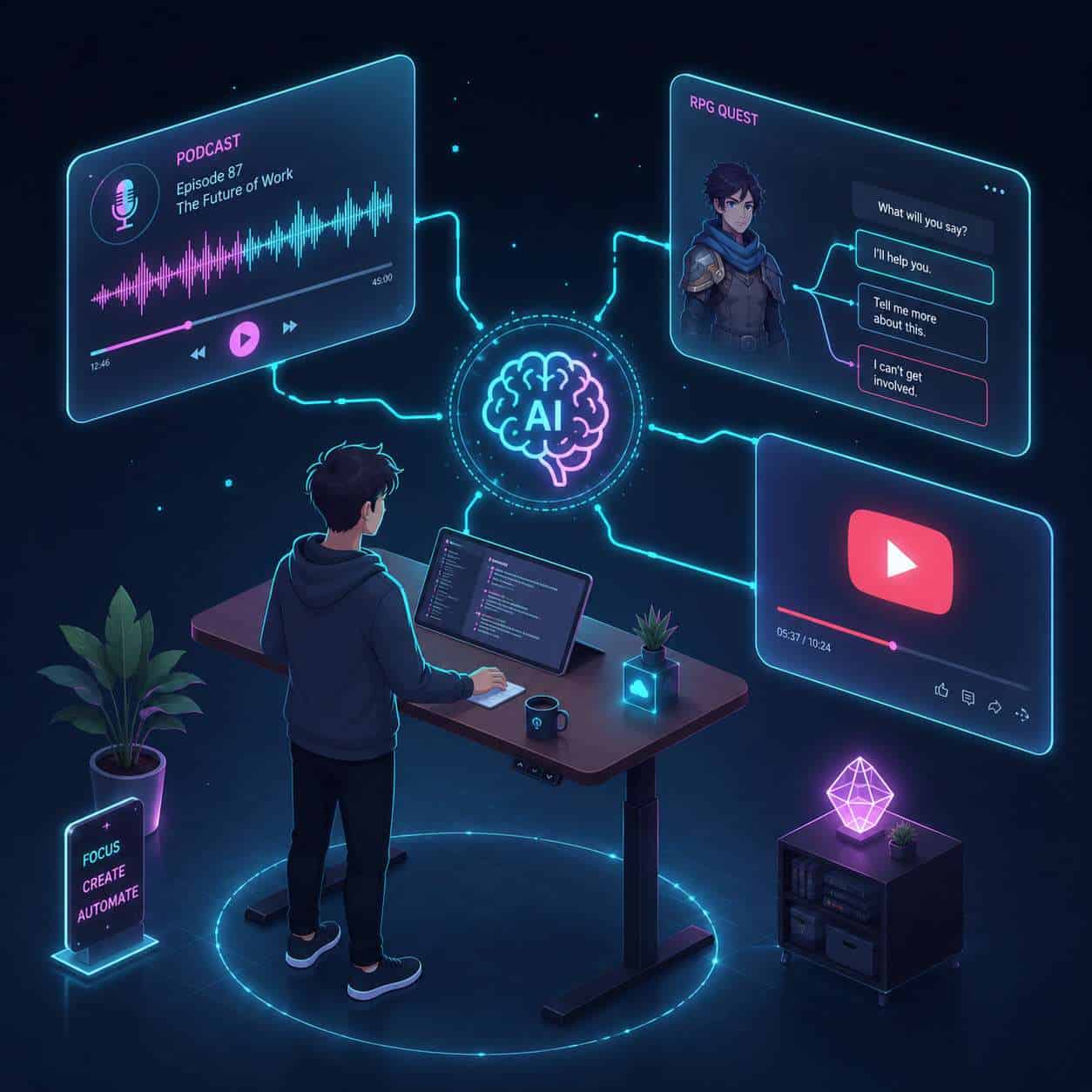
Yes, and this is one of the most popular use cases. Thousands of YouTube creators and podcasters use ElevenLabs to generate narration, intros, character voices, and full episodes.
Here’s what makes it work well for content creators:
- Consistency: The same voice sounds identical across every video or episode, regardless of when you generate it.
- Speed: A 10-minute voiceover takes seconds to generate, compared to 30-60 minutes of recording and editing.
- No studio needed: You don’t need a microphone, soundproofing, or post-production noise removal.
- Multiple voices: Create distinct characters or co-hosts without hiring additional voice actors.
Edge case to watch: YouTube’s monetization policies require disclosure of AI-generated content in some cases. Always check YouTube’s current creator guidelines before publishing AI-voiced content at scale.
If you’re building a content brand, pairing ElevenLabs audio with visuals from tools like Canva’s AI design assistant can streamline your entire production pipeline.
What Are the Best Use Cases for ElevenLabs AI Voice Cloning?
Voice cloning shines when you need a specific voice to say things it never actually recorded. The best use cases include audiobook production, corporate training, accessibility tools, and preserving voices for people with degenerative conditions.
Top use cases ranked by adoption:
- Audiobooks and long-form narration: Authors clone a narrator’s voice to produce entire books without booking studio time for every chapter.
- Localization and dubbing: Companies clone a spokesperson’s voice, then generate the same message in 32+ languages [1].
- Accessibility: Organizations create audio versions of written content for visually impaired users.
- Corporate training: Clone a company executive’s voice for consistent onboarding videos across regions.
- Personal voice preservation: People facing voice loss from illness create a digital backup of their voice.
- Gaming and interactive media: Studios clone voice actors (with consent) to generate additional dialogue lines without rebooking sessions.
Common mistake: Uploading a noisy or low-quality audio sample for cloning. The system works best with clean, studio-quality recordings of at least 3-5 minutes. One minute is the minimum, but quality drops noticeably below that threshold.
Is ElevenLabs Good for Non-English Language Voice Generation?
ElevenLabs supports over 32 languages and is one of the strongest platforms for non-English voice synthesis available in 2026. The company has expanded into markets including India, Brazil, Japan, Spain, Australia, and New Zealand with dedicated local presence [1].
Languages where ElevenLabs performs particularly well include Spanish, Portuguese, German, French, Japanese, Hindi, and Polish. The platform handles tonal languages like Mandarin, though results can vary depending on the complexity of the text.
What sets it apart: When you dub content, ElevenLabs preserves the original speaker’s vocal characteristics (timbre, pacing, emotion) in the target language. This is a significant step beyond basic translation-to-speech, where the output often sounds robotic or generic.
When it’s not ideal: Highly specialized dialects, regional accents within a language, or languages with very limited training data may produce less natural results. Test with a short sample before committing to a large project.
For teams working on multilingual web projects, combining ElevenLabs voice output with no-code website builders can help you ship localized sites with embedded audio quickly.
How Accurate Is ElevenLabs at Mimicking Real Human Voices?
In controlled tests, listeners frequently cannot distinguish ElevenLabs output from real human speech, especially when using professional-grade voice clones with high-quality source audio. The technology captures pitch, cadence, breathing patterns, and emotional inflection.
That said, accuracy depends on several factors:
- Source audio quality: Clean, well-recorded samples produce the best clones.
- Length of source material: More audio data gives the model more to work with.
- Content type: Conversational speech clones better than singing or highly emotional delivery.
- Language: English clones tend to be the most accurate, with other major languages close behind.
Realistic expectation: For narration and voiceover work, the output is production-ready in most cases. For cloning a specific celebrity or public figure’s voice, the platform’s ethical guidelines restrict this without explicit consent [5].
Common Mistakes People Make When Using ElevenLabs Voice AI
Most issues with ElevenLabs come from user error, not platform limitations. Here are the mistakes I see most often:
- Using the wrong voice for the content type. A warm, casual voice doesn’t work for legal disclaimers. Match voice to context.
- Skipping the stability and clarity sliders. These controls dramatically affect output quality. Stability too high sounds robotic; too low sounds erratic.
- Uploading poor-quality cloning samples. Background noise, echo, or multiple speakers in the source audio will degrade the clone.
- Ignoring pronunciation controls. For technical terms, brand names, or unusual words, use the pronunciation dictionary or SSML tags.
- Generating everything at once. Break long content into sections. This gives you more control and makes editing easier.
- Not checking commercial licensing. The free tier doesn’t include commercial use rights. Verify your plan covers your intended use.
What Kind of Projects Is ElevenLabs Not Recommended For?
ElevenLabs is not the best fit for live singing, real-time voice changing during live streams (latency can be an issue), or projects requiring hyper-specific regional dialects that aren’t well-represented in the training data.
Other scenarios where you might look elsewhere:
- Live broadcasting with zero latency tolerance: While the conversational AI API is fast, it’s not instant. Traditional broadcasting setups still need dedicated hardware.
- Projects requiring full emotional range in singing: ElevenMusic handles music generation, but cloning a singer’s full vocal range with perfect fidelity remains a challenge.
- Highly regulated medical or legal applications: Unless you’re on an enterprise plan with on-premise deployment, sensitive data handling may not meet compliance requirements without additional safeguards.
Does ElevenLabs Have Ethical Guidelines About Voice Cloning?
Yes. ElevenLabs requires consent verification for voice cloning, prohibits generating content that impersonates individuals without permission, and uses AI-based content moderation to detect misuse [5].
Key safeguards include:
- Voice verification: Users must confirm they have the right to clone a voice before the system processes it.
- Content moderation: The platform scans generated audio for prohibited content, including hate speech and fraud attempts.
- Watermarking: Generated audio can include inaudible watermarks for traceability.
- Abuse reporting: A dedicated team reviews reports of misuse.
The company has also partnered with government entities, including Ukrainian public services and the Polish presidency of the Council of the EU, which suggests a commitment to responsible deployment in sensitive contexts [1].
How Do I Get Started with ElevenLabs AI Voice Generation?
Sign up for a free account at elevenlabs.io, choose a pre-made voice or clone your own, paste your text, and click generate. The entire process takes under five minutes for your first audio clip.
Step-by-step:
- Create an account at elevenlabs.io (email or Google sign-in).
- Explore the Voice Library to find a pre-built voice that fits your needs.
- Paste your text into the text-to-speech editor.
- Adjust settings: Tweak stability, clarity, and style exaggeration sliders.
- Generate and preview. Listen to the output and refine if needed.
- Download the audio file (MP3 or WAV).
- (Optional) Clone a voice: Upload a clean audio sample under the VoiceLab tab.
For developers, the REST API and WebSocket connections allow integration into any application. The April 2026 API updates added improved conversation events and tool-calling capabilities for building production-grade voice agents [3].
If you’re integrating AI voice into a website, you might also want to explore AI-powered chatbot integration for WordPress or AI content optimization strategies.
What Are the Technical Requirements to Use ElevenLabs?
ElevenLabs runs entirely in the cloud. You need a modern web browser and an internet connection. There’s no software to install and no GPU required on your machine.
- Browser: Chrome, Firefox, Safari, or Edge (latest versions).
- Internet: A stable connection; no minimum speed requirement for the web app, though faster connections help with large file uploads.
- API usage: Any programming language that can make HTTP requests works. Python and JavaScript SDKs are officially supported.
- Audio format support: Outputs in MP3, WAV, and other common formats. Input for cloning accepts MP3, WAV, and M4A.
For enterprise customers needing on-premise deployment, ElevenLabs offers VPC-compatible installations that run within your own infrastructure [1]. This is relevant for government and healthcare organizations with strict data residency requirements.
Can ElevenLabs Create Voices for Video Game Characters?
Yes, and game development is a growing use case. Studios use ElevenLabs to generate dialogue for NPCs, prototype character voices during pre-production, and produce additional voice lines without rebooking actors.
Why it works for games:
- Scale: Open-world games can have thousands of dialogue lines. AI generation handles volume that would be prohibitively expensive with traditional voice acting.
- Iteration speed: Designers can test different voice styles in minutes instead of waiting for casting and recording sessions.
- Consistency: A cloned voice sounds the same whether you generate line 1 or line 10,000.
- Multilingual releases: Generate the same character’s dialogue in multiple languages while keeping the voice recognizable [1].
Limitation: For lead characters where emotional depth and nuanced performance are critical, most AAA studios still prefer human voice actors. ElevenLabs works best for supporting characters, background NPCs, and prototype work.
Teams building game-related websites or portfolios can pair voice assets with professional site builders to showcase their work.
Conclusion
ElevenLabs has moved from a promising startup to a dominant force in voice AI in under four years, reaching $500 million ARR and an $11 billion valuation by early 2026 [8][9]. The platform covers text-to-speech, voice cloning, multilingual dubbing, conversational agents, and now music generation, all from a single interface.
Your next steps:
- Try the free tier to test voice quality on your specific content type.
- Experiment with voice cloning using a clean 3-5 minute audio sample.
- Test multilingual output if you serve an international audience.
- Explore the API if you’re building a product that needs voice capabilities.
- Review the ethical guidelines before using cloned voices in any public-facing content.
The technology is good enough today that the main question isn’t whether AI voice synthesis works. It’s whether you can afford to keep doing things the old way.
FAQ
How long does it take to clone a voice with ElevenLabs? Instant voice cloning takes about 30 seconds after uploading a sample. Professional voice cloning, which produces higher quality results, can take a few minutes to process.
Is ElevenLabs free to use? Yes, there’s a free tier with approximately 10,000 characters per month. It doesn’t include commercial use rights or professional voice cloning [10].
Can I use ElevenLabs voices commercially? Yes, but only on paid plans (Starter and above). The free tier is for personal and evaluation use only.
Does ElevenLabs work offline? No. The platform is cloud-based and requires an internet connection. Enterprise customers can deploy on-premise for data-sensitive applications [1].
How many languages does ElevenLabs support? Over 32 languages as of 2026, with ongoing expansion into additional languages and dialects [1].
Can I use ElevenLabs to clone a celebrity’s voice? The platform’s terms of service prohibit cloning voices without the person’s consent. Verification steps are in place to prevent unauthorized cloning [5].
What audio formats does ElevenLabs output? MP3 and WAV are the primary output formats, with additional options available through the API.
Is ElevenLabs suitable for real-time applications? Yes. The conversational AI agent API supports real-time voice interactions with WebSocket connections and recent improvements to turn-taking detection [3].
How does ElevenLabs handle data privacy? Enterprise plans include VPC-compatible deployments and compliance features. Standard plans process data in the cloud with encryption [1].
What is ElevenMusic? ElevenMusic is a feature launched in April 2026 that generates instrumental and vocal music tracks within the ElevenLabs platform [1][10].
References
[1] Blog – https://elevenlabs.io/blog [3] Changelog – https://elevenlabs.io/docs/changelog [5] ElevenLabs – https://en.wikipedia.org/wiki/ElevenLabs [8] ElevenLabs – https://sacra.com/c/elevenlabs/ [9] Series D – https://elevenlabs.io/blog/series-d [10] What Is ElevenLabs AI – https://www.feisworld.com/blog/what-is-elevenlabs-ai