Last updated: May 31, 2026
Quick Answer: ElevenLabs is a voice AI company that generates human-like synthetic speech from text, clones voices with minimal audio samples, and provides multilingual dubbing and conversational AI agents. Founded in 2022, it reached an $11 billion valuation in February 2026 after raising $500M in Series D funding [7][10]. Its core product turns written text into natural-sounding audio across 30+ languages, and in 2026 it has expanded into music generation, image/video creation, and enterprise-grade AI agent workflows [1][5].
Key Takeaways
- ElevenLabs offers text-to-speech, voice cloning, dubbing, and conversational AI agents through a cloud-based platform and API
- Pricing starts with a free tier (10,000 characters/month) and scales to enterprise plans; the Starter plan costs $5/month [1]
- The company raised $500M in Series D funding at an $11B valuation in February 2026, led by Sequoia Capital [7][10]
- Annual recurring revenue has reached approximately $500M as of early 2026, up from roughly $350M at end of 2025
- Eleven v3, the latest TTS model, delivers improved naturalness and emotional expressiveness [1]
- ElevenLabs supports 30+ languages and accents, with active expansion in Japan, Brazil, India, Australia, and Spain [1][10]
- The platform runs entirely in the cloud — no special hardware required
- Free alternatives exist (Google Cloud TTS, Coqui TTS) but generally lack ElevenLabs’ expressiveness and cloning quality
- Commercial use is permitted on paid plans, but voice cloning requires consent from the voice owner
What Exactly Does ElevenLabs Do with AI Voices?
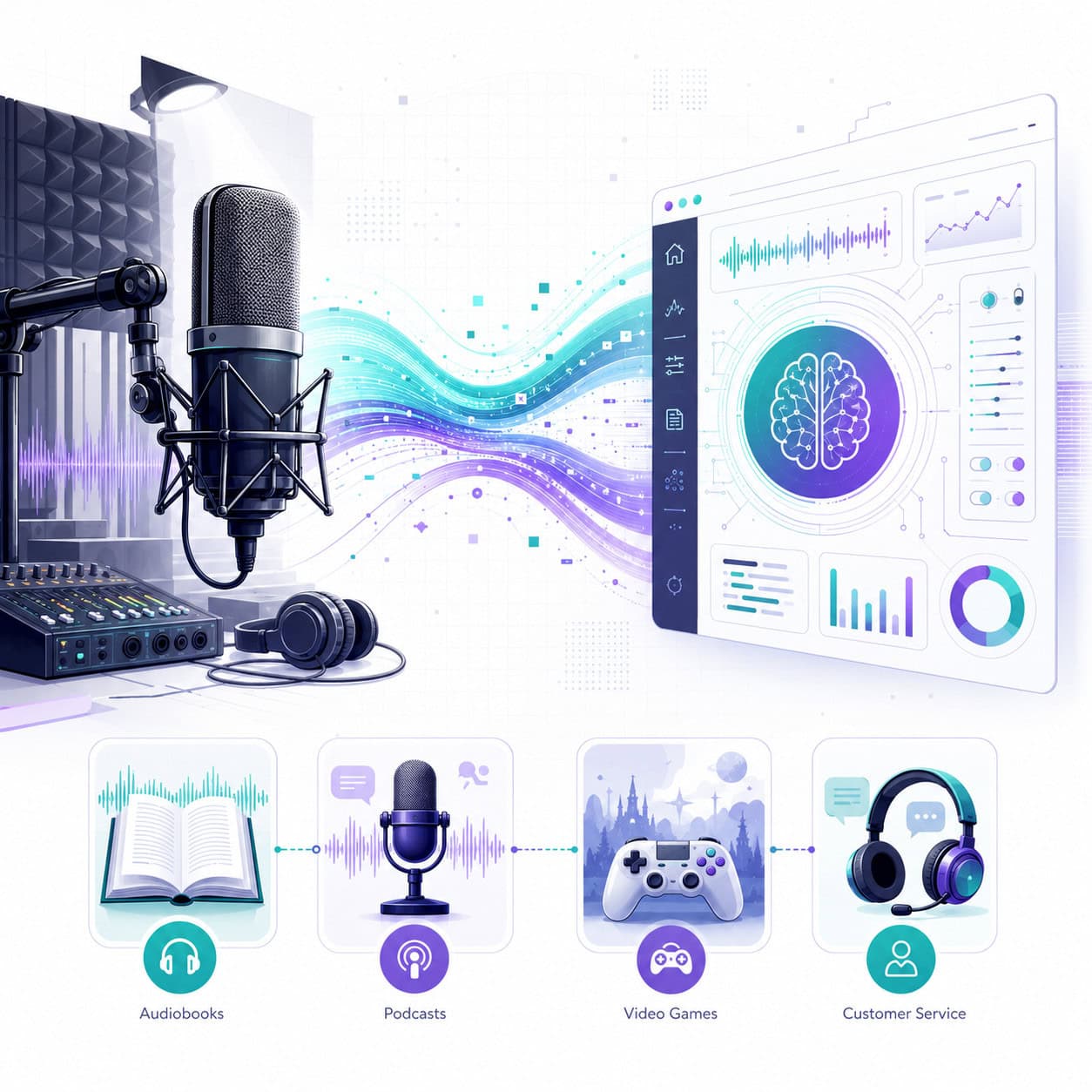
ElevenLabs provides a cloud-based platform that converts text into realistic human speech, clones existing voices from short audio samples, dubs content across languages, and powers real-time conversational AI agents. It’s essentially a full audio AI stack.
Here’s what the platform includes in 2026:
- Text-to-Speech (TTS): Type or paste text, choose a voice, and get audio that sounds like a real person. The Eleven v3 model adds breathing, pauses, and emotional nuance [1].
- Voice Cloning: Upload as little as a few minutes of audio to create a digital replica of a specific voice. Professional Voice Cloning (available on higher tiers) uses more samples for better accuracy [6].
- AI Dubbing: Automatically translate and re-voice video or audio content into other languages while preserving the original speaker’s voice characteristics.
- ElevenAgents: Conversational AI agents that can handle phone calls, customer support, and interactive experiences. Recent updates added conversation analytics, multi-agent workflows, and new LLM backends including GPT-5.4 and Gemini 3.1 models [2].
- ElevenMusic: An AI music creation app launched on iOS in April 2026, allowing users to generate songs from text prompts [5].
- Scribe: A speech-to-text transcription tool (v2 and v2 Realtime) with features like keyword biasing and filler word removal [1][2].
The company has also announced “ElevenLabs Image & Video” capabilities, signaling a move toward a full multimodal generative stack [1]. If you’re building digital products that need audio components, this platform is worth understanding — and it pairs well with other AI-powered tools like AI content generation platforms and AI-powered content optimization workflows.
How Much Does ElevenLabs Cost Per Month?
ElevenLabs uses a tiered, usage-based pricing model. There’s a free plan with 10,000 characters per month (roughly 5-7 minutes of audio), and paid plans scale from $5/month to custom enterprise pricing.
| Plan | Monthly Cost | Characters/Month | Key Features |
|---|---|---|---|
| Free | $0 | 10,000 | Basic TTS, limited voices |
| Starter | $5 | 30,000 | Voice cloning (up to 3), commercial license |
| Creator | $22 | 100,000 | Professional voice cloning, priority access |
| Pro | $99 | 500,000 | Higher concurrency, API access, analytics |
| Scale | $330 | 2,000,000 | Enterprise features, dedicated support |
| Enterprise | Custom | Custom | SLA, SSO, custom models |
A common complaint on Reddit is that heavy users burn through character limits quickly, especially for long-form content like audiobooks or podcast scripts [3]. If you’re producing high volumes, the per-character cost matters more than the monthly sticker price.
ElevenMusic, the standalone music app, has its own pricing: free users get up to 7 songs per day, while the Pro tier costs $9.99/month (or $95.90/year) for 500 tracks per month [5].
Decision rule: Choose the free tier for testing. Move to Creator ($22/month) if you need voice cloning for a specific project. Go Pro ($99/month) or higher if you’re running an API integration or producing content at scale.
Is ElevenLabs Better Than Other Voice AI Tools Like Murf or Descript?
For pure voice quality and expressiveness, ElevenLabs is widely considered the leader in 2026. But “better” depends on what you need. Murf and Descript serve different primary use cases.
ElevenLabs vs. Murf:
- ElevenLabs produces more natural-sounding speech with better emotional range and prosody
- Murf offers a simpler interface focused on voiceover production with built-in video editing
- ElevenLabs is more expensive at high volumes but offers deeper API access and voice cloning
ElevenLabs vs. Descript:
- Descript is primarily a video/podcast editor that includes AI voice features
- ElevenLabs is a dedicated voice AI platform with more advanced cloning and multilingual capabilities
- Choose Descript if you need an all-in-one editing suite; choose ElevenLabs if voice quality is your priority
ElevenLabs vs. Amazon Polly / Google Cloud TTS:
- Cloud provider TTS is cheaper at scale and integrates natively with AWS/GCP infrastructure
- ElevenLabs sounds significantly more human and offers better voice cloning
- For IVR systems or basic notifications, cloud TTS may be sufficient; for content creation, ElevenLabs wins on quality
One YouTube reviewer described ElevenLabs as the “bread and butter” of AI voice generation because of its human-like breathing, pauses, and emotional nuance [6]. That assessment holds up in 2026, especially with the Eleven v3 model.
Can ElevenLabs Clone My Own Voice Perfectly?
ElevenLabs can create a convincing clone of your voice, but “perfectly” is a stretch. The quality depends on the amount and clarity of your source audio, and results vary by voice type.
Instant Voice Cloning requires just a few minutes of audio and produces a recognizable approximation. It captures your general tone and pitch but may miss subtle speech patterns.
Professional Voice Cloning (available on Creator plans and above) uses longer recordings — typically 30 minutes to several hours — and produces significantly better results. The 2026 version is notably improved over earlier iterations, with better handling of laughter, emphasis, and emotional variation [6].
Common mistakes with voice cloning:
- Using noisy or low-quality source recordings (background noise degrades the clone)
- Providing too little variety in the source audio (read different types of content — questions, statements, emotional passages)
- Expecting the clone to handle singing or extreme vocal ranges without specific training data
Important: ElevenLabs requires you to confirm that you have consent from the voice owner before creating a clone. Cloning someone else’s voice without permission violates their terms of service and may violate local laws.
What Are the Best Use Cases for ElevenLabs Synthetic Voices?
ElevenLabs works best for content creation, accessibility, localization, and interactive AI experiences. It’s less suited for real-time applications requiring ultra-low latency on constrained hardware.
Top use cases in 2026:
- YouTube and social media content — Creators use it for voiceovers, narration, and multilingual versions of videos
- Audiobooks and podcasts — Publishers convert written content to audio at a fraction of traditional recording costs
- Video game dialogue — Studios generate character voices for prototyping or secondary characters
- E-learning and training — Companies produce consistent narration for courses and onboarding materials
- Customer service agents — ElevenAgents powers phone-based AI support with natural-sounding voices [2]
- Advertising and marketing — Brands create localized ad voiceovers across markets without hiring voice talent in each language
- Accessibility — Making written content available as audio for visually impaired users
If you’re building websites or digital products, AI voice can complement your visual design work. For example, adding voice narration to a site built with no-code website design platforms or enhancing user experience on sites managed with WordPress AI plugins can improve engagement and accessibility.
Who Should Not Use ElevenLabs Voice Generation?
ElevenLabs isn’t the right fit for everyone. Skip it if you need ultra-cheap bulk audio, real-time on-device processing, or if your use case involves impersonation or deception.
ElevenLabs is a poor choice if:
- You need millions of characters per month on a tight budget. Cloud TTS from Google or Amazon is cheaper at high volumes.
- You’re creating content that impersonates real people without consent. This violates their terms and potentially the law.
- You need on-device, offline voice generation. ElevenLabs is cloud-based; it requires an internet connection.
- Your content is in a very niche language or dialect not yet supported. While coverage is broad (30+ languages), some regional dialects aren’t available.
- You expect a voice clone to be indistinguishable from the original in all contexts. Close listeners can still detect differences, especially in emotional or conversational speech.
What Are Common Mistakes People Make When Generating AI Voices?
The biggest mistake is treating AI voice generation like a simple text-to-audio converter without considering input quality, voice selection, or post-processing.
Mistakes I see frequently:
- Feeding in poorly formatted text. Abbreviations, unusual punctuation, and missing context confuse the model. Write out numbers and acronyms.
- Choosing the wrong voice for the content. A casual voice for formal corporate content (or vice versa) sounds jarring. Test multiple voices before committing.
- Ignoring pacing and pauses. Use punctuation strategically. Commas, periods, and ellipses control rhythm. The SSML-like controls in ElevenLabs let you fine-tune this.
- Not reviewing output before publishing. AI voices occasionally mispronounce proper nouns, technical terms, or foreign words. Always listen to the full output.
- Burning through credits on drafts. Write and finalize your script before generating audio. Iterating on text is free; regenerating audio costs characters.
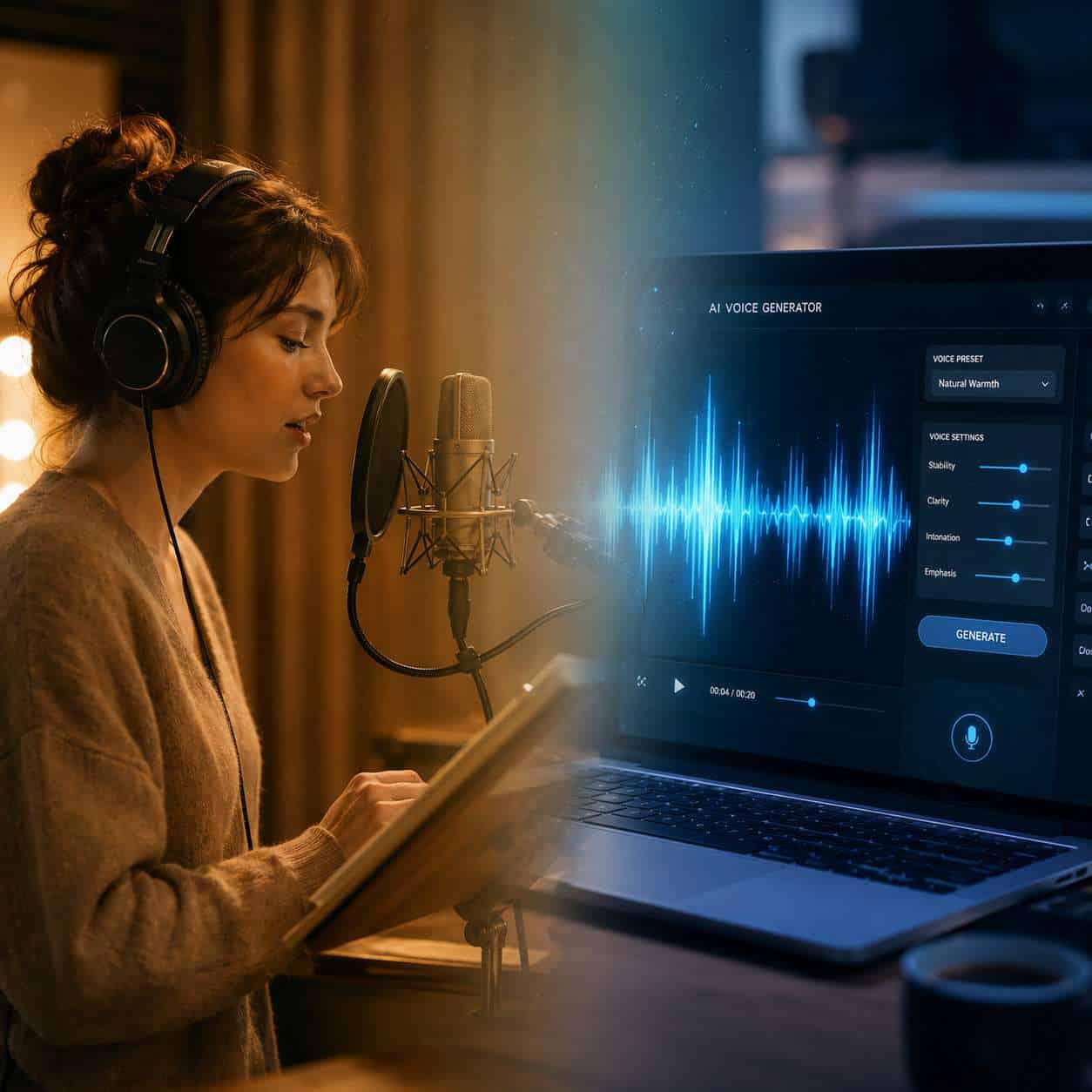
- Skipping the voice settings. Stability, similarity, and style controls dramatically affect output. Default settings aren’t always optimal for your specific use case [6].
How Accurate Are ElevenLabs Voices Compared to Real Human Speech?
ElevenLabs’ Eleven v3 model produces speech that is often indistinguishable from human recordings in short clips. In longer passages or emotional contexts, trained listeners can still identify it as synthetic, but the gap has narrowed significantly.
The platform excels at:
- Natural breathing patterns and micro-pauses
- Emotional mapping (happiness, sadness, excitement, even laughter) [6]
- Consistent pronunciation across long texts
- Maintaining character across different content types
Where it still falls short:
- Very subtle sarcasm or irony
- Spontaneous-sounding conversational speech (it can sound “too polished”)
- Perfect replication of unique vocal quirks in cloned voices
- Singing or extreme vocal performances
Comparateur-IA, an AI product review site, describes ElevenLabs as having “extremely natural text-to-speech and strong expressive control,” rating it above competitors for professional content creation.
Can ElevenLabs Do Multiple Languages and Accents?
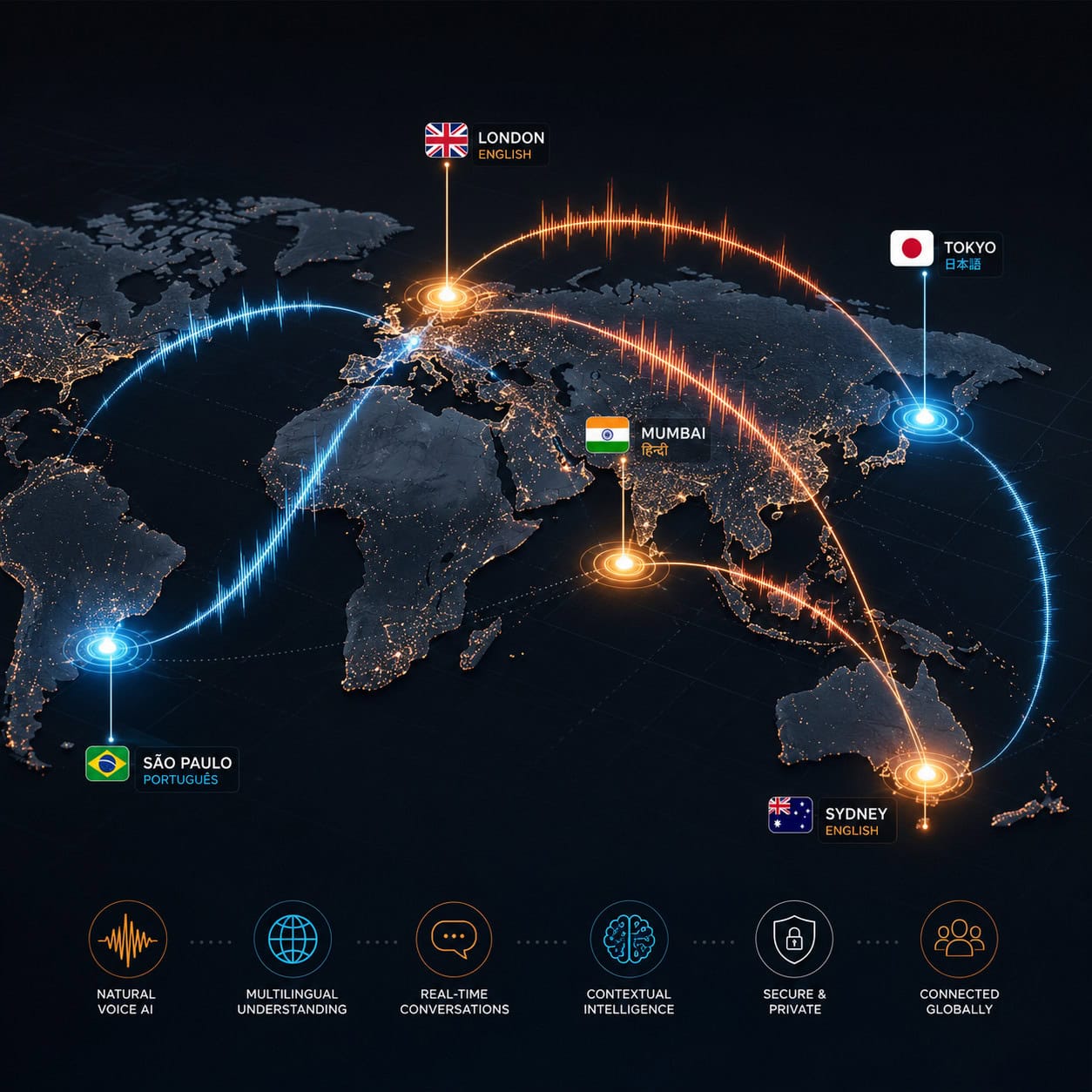
Yes. ElevenLabs supports over 30 languages and multiple accent variants within those languages. This is one of its strongest competitive advantages.
Supported languages include English (US, UK, Australian, Indian variants), Spanish, French, German, Portuguese (Brazilian and European), Japanese, Korean, Mandarin, Hindi, Arabic, Polish, and many others [1].
The company has been aggressively expanding its language coverage in 2026, with new offices and partnerships in Australia, New Zealand, Spain, Japan, Brazil, and India [1][10]. A notable example: ElevenLabs partnered with Brazilian comedian Fábio Porchat to create localized voice content for the Brazilian market [1].
For dubbing specifically, the AI preserves the original speaker’s voice characteristics while translating into the target language. This is particularly valuable for creators who want to reach global audiences without re-recording. If you’re also working on multilingual web content, tools for SEO optimization can help ensure your localized content ranks well.
Is ElevenLabs Legal to Use for Commercial Projects?
Yes, ElevenLabs grants commercial usage rights on all paid plans. The free tier is limited to personal, non-commercial use.
Key legal considerations:
- Voice cloning consent: You must have explicit permission from the person whose voice you’re cloning. ElevenLabs requires you to verify this during the cloning process.
- Content restrictions: You cannot use the platform to create deepfakes, impersonate public figures for deception, or generate content that violates their acceptable use policy.
- Copyright: The generated audio is yours to use commercially on paid plans, but you should check local regulations about AI-generated content disclosure, which vary by jurisdiction.
- Enterprise compliance: For regulated industries (healthcare, finance), the enterprise plan includes SLA agreements and compliance features [2].
If you’re using AI-generated voices in commercial video or web projects, it’s smart to document your licensing and consent records. This is especially relevant for agencies building client sites with tools like AI website creators or AI-integrated chatbots.
What Kind of Computer Do I Need to Run ElevenLabs?
You don’t need a powerful computer. ElevenLabs runs entirely in the cloud through a web browser or API. Any device with a modern browser and internet connection works.
- Minimum: A laptop or desktop with Chrome, Firefox, Safari, or Edge
- For API integration: Any server or development environment that can make HTTPS requests
- For mobile: The ElevenMusic iOS app is available; the main platform works in mobile browsers
- No GPU required: All processing happens on ElevenLabs’ servers
This is a significant advantage over some open-source alternatives that require local GPU resources for inference.
Are There Any Free Alternatives to ElevenLabs?
Several free alternatives exist, but none match ElevenLabs’ combination of voice quality, cloning, and multilingual support.
| Alternative | Cost | Strengths | Limitations |
|---|---|---|---|
| Google Cloud TTS | Free tier (limited) | Reliable, many languages | Less natural, no voice cloning |
| Coqui TTS (open source) | Free | Self-hosted, customizable | Requires technical setup, lower quality |
| Bark (open source) | Free | Good expressiveness | Inconsistent, slow generation |
| Microsoft Azure TTS | Free tier (limited) | Enterprise integration | Less expressive than ElevenLabs |
| LMNT | Free tier | Fast, good quality | Smaller voice library |
Choose a free alternative if: you’re on a zero budget, need basic TTS for notifications or accessibility, or want full control over a self-hosted solution. Stick with ElevenLabs if: voice quality, cloning, or multilingual dubbing are priorities.
For a broader look at AI tools across different creative workflows, check out our guide to AI graphic design tools.
What Do Professional Voice Actors Think About ElevenLabs?
Opinions are divided. Some voice actors see ElevenLabs as a direct threat to their livelihood, while others view it as a tool that handles low-value work and frees them for premium projects.
Concerns from voice actors:
- AI voices are replacing human talent for corporate narration, e-learning, and IVR systems
- Voice cloning raises consent and compensation issues — what happens when a cloned voice is used indefinitely?
- The technology could depress rates across the industry
More optimistic perspectives:
- AI handles the “commodity” end of voiceover (basic narration, automated messages), while human actors retain premium work (animation, audiobooks, advertising campaigns)
- Some actors license their voices through ElevenLabs’ marketplace, creating a new passive revenue stream
- The demand for audio content is growing faster than human voice actors can supply it
ElevenLabs has taken steps to address these concerns, including requiring consent verification for voice cloning and launching partnership programs with voice talent. But the tension between AI efficiency and human artistry remains real and unresolved in 2026.
Conclusion
ElevenLabs has grown from a startup experiment into an $11 billion company that’s reshaping how audio content gets created, localized, and delivered. With $500M ARR, backing from Sequoia and a16z, and expansion into music, images, and conversational agents, it’s no longer just a text-to-speech tool — it’s building an entire audio AI infrastructure layer [7][10][1].
Here’s what to do next:
- Try the free tier at elevenlabs.io to test voice quality with your own content
- Experiment with voice cloning if you have a specific use case (make sure you have consent)
- Compare pricing against your volume needs — the Creator plan at $22/month is the sweet spot for most individual creators
- Explore the API if you’re building products that need voice capabilities
- Stay informed about evolving regulations around AI-generated voice content in your jurisdiction
Whether you’re a content creator, developer, or business owner, understanding what ElevenLabs can (and can’t) do is becoming essential knowledge in 2026. The technology isn’t perfect, but it’s good enough to change workflows — and it’s getting better fast.
FAQ
How long does it take to clone a voice with ElevenLabs? Instant Voice Cloning takes about 30 seconds of processing after you upload your audio sample. Professional Voice Cloning takes longer (hours to days) because it uses more data and fine-tuning.
Can I use ElevenLabs voices on YouTube without getting flagged? Yes. YouTube does not penalize AI-generated voiceovers. However, YouTube’s 2026 policies require disclosure of synthetic media in certain contexts. Check YouTube’s current creator guidelines.
Does ElevenLabs work with real-time applications? Yes. The Turbo v2.5 and streaming API endpoints support low-latency generation suitable for conversational agents and live applications [2].
What happens if I run out of characters on my plan? You can purchase additional character packs or upgrade your plan. Unused characters do not roll over to the next month on most plans.
Can ElevenLabs generate singing voices? The core TTS platform is designed for speech, not singing. However, ElevenMusic (the separate music app) can generate vocals as part of AI-composed songs [5].
Is there an ElevenLabs mobile app? ElevenMusic is available on iOS as of April 2026 [5]. The main TTS platform is accessible through mobile browsers but doesn’t have a dedicated app yet.
How does ElevenLabs handle data privacy? Voice data uploaded for cloning is stored on ElevenLabs’ servers. Enterprise plans offer additional data governance controls. Review their privacy policy for specifics about data retention and deletion.
Can I use ElevenLabs for phone call automation? Yes. ElevenAgents supports phone-based AI agents with SIP integration, batch calling analytics, and real-time transcription [2].
What file formats does ElevenLabs output? Generated audio is available in MP3, WAV, and other common formats. The API supports streaming audio output for real-time applications.
Does ElevenLabs offer an affiliate or ambassador program? Yes. ElevenLabs actively promotes its Ambassador Program in 2026, including student hackathon sponsorships and community initiatives.
References
[1] Blog – https://elevenlabs.io/blog [2] Watch – https://www.youtube.com/watch?v=qzG8c6Gm1zg [3] Is Elevenlabs Still Worth The Money In 2026 – https://www.reddit.com/r/ElevenLabs/comments/1sbw9ex/is_elevenlabs_still_worth_the_money_in_2026/ [5] Elevenlabs Releases A New Ai Powered Music Generation App – https://techcrunch.com/2026/04/02/elevenlabs-releases-a-new-ai-powered-music-generation-app/ [6] Watch – https://www.youtube.com/watch?v=gcOPiJDQ7Cs [7] Series D – https://elevenlabs.io/blog/series-d [10] Elevenlabs Raises 500m From Sequioia At A 11 Billion Valuation – https://techcrunch.com/2026/02/04/elevenlabs-raises-500m-from-sequioia-at-a-11-billion-valuation/